
Exposed Aggregate Concrete: Pros, Cons, and Best Uses
Exposed aggregate concrete comes with real strengths like natural slip resistance, 30-plus-year durability, and design variety, alongside genuine tradeoffs like higher upfront cost and difficult repairs. After installing countless exposed aggregate surfaces for homeowners across the Greater Houston area, Concrete Specialists of Texas breaks down exactly where this finish earns its place and where it doesn't.
If you've been going back and forth between a broom finish, a stamped surface, and exposed aggregate, you're not overthinking it. These finishes have genuinely different performance profiles. In Greater Houston's climate, those differences show up faster than they would in a drier market.
What Is Exposed Aggregate Concrete?
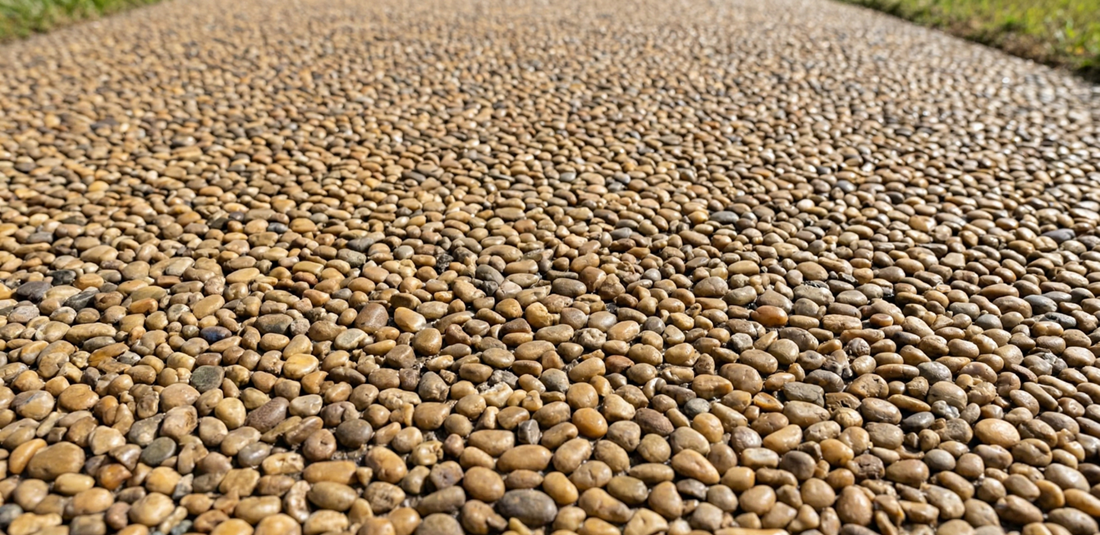
Exposed aggregate is a decorative finish created by removing the top layer of cement paste to reveal the stones in the mix. Contractors apply a surface retarder (a chemical that slows surface hardening) right after the pour, then wash the paste away once the slab can hold the stone in place. Aggregate options range from river gravel to colored quartz, making it a popular upgrade for custom concrete patios and driveways.
The Pros of Exposed Aggregate Concrete
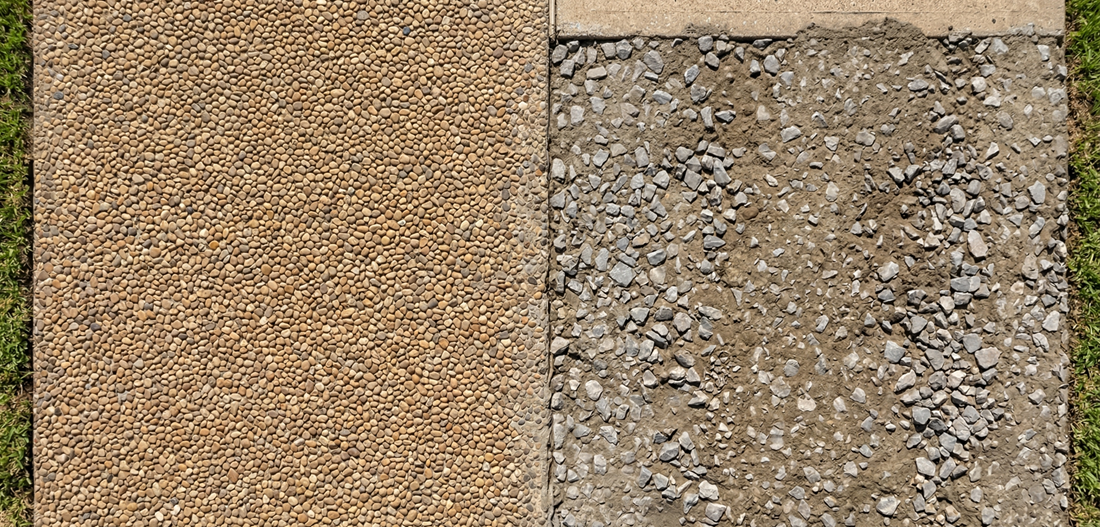
Exposed aggregate offers real advantages for Houston homeowners who want more than a plain gray slab, without the upkeep stained or painted surfaces require.
Traction and Slip Resistance
The textured surface provides natural grip underfoot. Houston's heavy annual rainfall means smooth concrete gets slippery fast. Exposed aggregate adds traction to patios, pool decks, and walkways without wearing off.
Durability and Longevity
When installed with proper base prep and control joints to account for Houston's expansive clay soil, exposed aggregate can last 30 or more years. The stones are embedded in the slab, not applied to the surface. There’s nothing that will peel, chip, or wear through.
Low Maintenance
Unlike stained or painted surfaces, exposed aggregate doesn't rely on a top layer that can degrade. Sealing every 2 to 3 years helps, but the finish doesn't depend on it.
Design Variety
- River gravel for a natural, organic look
- Colored quartz or glass for a more tailored aesthetic
- White aggregate for a bright, coastal-style surface
- Mixed stone sizes for texture variation
That range gives Houston homeowners real visual options, from Katy and Cypress to Bayt
own.
The Cons of Exposed Aggregate Concrete
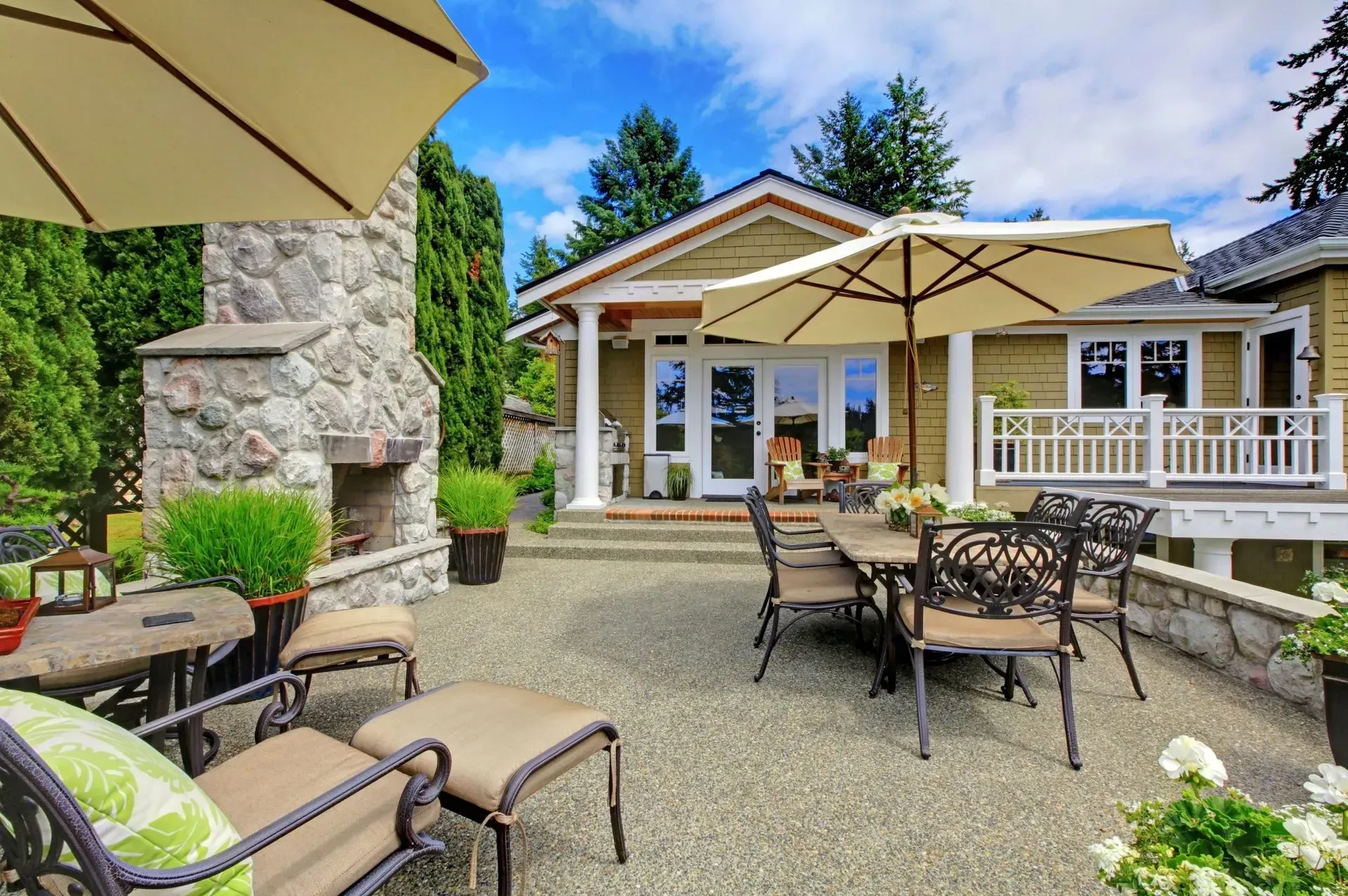
The tradeoffs are worth knowing before you commit.
Rough Underfoot
The texture that provides grip can feel rough on bare feet, especially when larger stones are used. Smaller pea gravel is smoother but less visually dramatic, a tradeoff worth discussing with your contractor before the mix is specified.
Harder To Repair Seamlessly
If a section cracks or spalls (surface flaking from moisture beneath the slab), matching the repair to the original surface is genuinely hard. Aggregate mix, stone color, and wash depth all affect how the patch looks. Reviewing the types of concrete damage helps homeowners catch problems before repairs get costly.
Higher Upfront Cost
More labor goes into exposed aggregate than a standard broom-finish slab. Decorative concrete in Houston typically ranges from $12 to $25 per square foot versus $8 to $15 for standard. On large concrete driveway installations, that gap adds up.
Aggregate Can Loosen Over Time
Surface stones can loosen if the slab wasn't properly cured or the base shifts under Houston's clay soil. Routine sealing slows this process on high-traffic surfaces.
Where Exposed Aggregate Works Best in Houston
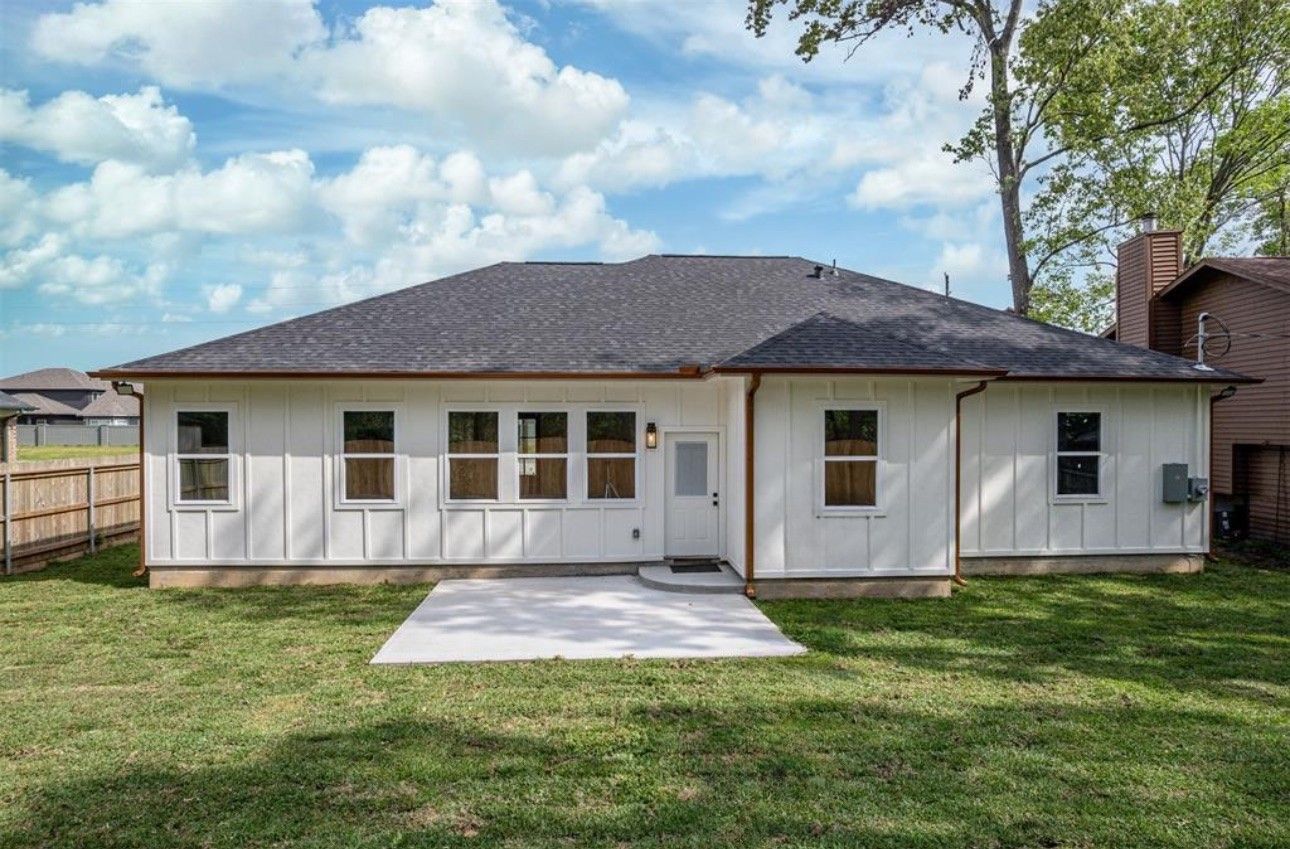
Exposed aggregate is well-matched to surfaces where aesthetics, grip, and longevity all matter: patios, front walkways, pool coping, and driveway aprons. It's less suited for pool decks with heavy barefoot traffic or large commercial surfaces where patches and repairs tend to show.
For homeowners who want a finish built for Texas heat and heavy rainfall without constant upkeep, exposed aggregate delivers a better long-term return than coated alternatives.
Frequently Asked Questions
Does exposed aggregate concrete crack more than regular concrete?
Exposed aggregate isn’t inherently more prone to cracking than standard concrete. The risk of cracking depends on base preparation, control joint placement, and slab thickness—not the finish type. In Houston's clay soil, proper base compaction and adequate joint spacing are what prevent cracking, regardless of the surface finish.
How long does exposed aggregate concrete last in Houston?
With proper installation and sealing every 2 to 3 years, exposed aggregate in the Greater Houston area can last 30 or more years. Houston's climate spares concrete from freeze-thaw cycles, the primary cause of failure in colder markets. Concrete Specialists of Texas matches slab thickness and control joint spacing to Houston's soil conditions on every install.
Can exposed aggregate concrete be sealed?
Yes, and it should be. Sealing exposed aggregate every 2 to 3 years protects the aggregate stones from loosening, brings out the stone's natural color, and helps prevent moisture from working into the surface. A penetrating or film-forming concrete sealer both work, though film-forming sealers tend to enhance visual depth more noticeably on textured aggregate surfaces.
Choose the Right Concrete Finish for Your Houston Project
Exposed aggregate is the right choice when the application matches its strengths: surfaces that need grip, projects where durability matters more than easy repairs, and homeowners who want visual character without a coating to maintain. For any patio, driveway, or walkway project in the Greater Houston area,
contact Concrete Specialists of Texas for a free quote. We'll help you pick the right finish for your surface, soil, and budget.